Every day, millions of packages travel across America. They bounce through sorting centers, load onto trucks, and fly through the air. Most show up just fine. No accidents. No damage. This happens because an invisible shield of protection wraps around products from the second they leave the shelf until they land on your porch.
The Journey Begins: Warehouse Protection
Warehouses never sleep. Forklifts dance between towering shelves while boxes shuffle from here to there like a giant game of Tetris. Your order might sit for hours or weeks before moving. Meanwhile, concrete floors sweat moisture. Summer heat cooks the loading dock. Winter air blasts in whenever doors open.
Read More : Heavy Duty Castors and Their Impact on Workplace Safety
Package engineers fight these hazards with clever tricks. Stretch wrap secures pallets, creating a plastic barrier against dust and water. Cardboard edges get reinforced shields because corners always take the worst hits. Little strips change color when humidity creeps too high; a simple warning that saves millions in damaged goods.
Temperature Control During Transit
Heat destroys chocolate. Cold kills batteries. Medicine goes bad either way. Now throw in a cross-country trip that starts in frozen Minnesota and ends in Arizona’s desert. Your package needs to stay cool while the world outside goes nuts.
This is where foam gets fancy. Companies such as Epsilyte produce EPS solutions for cold chain packaging that act like portable refrigerators minus the plug. These containers laugh at outside temperatures, keeping insulin cold or keeping frozen dinners frozen for days. The foam walls block heat transfer so well that ice stays solid in hundred-degree weather. Certain packages contain miniature computers that detect temperature irregularities. These loggers cost less than a hamburger but record every degree change for weeks. Spoiled vaccine? The data shows exactly when things went sideways. No more guessing. No more finger-pointing.
Phase-change materials hide inside package walls now. These substances freeze and melt at exact temperatures, absorbing extra heat or giving off warmth when required. It’s chemistry, rather than batteries or ice packs, that’s doing the hard work.
Shock and Vibration Management
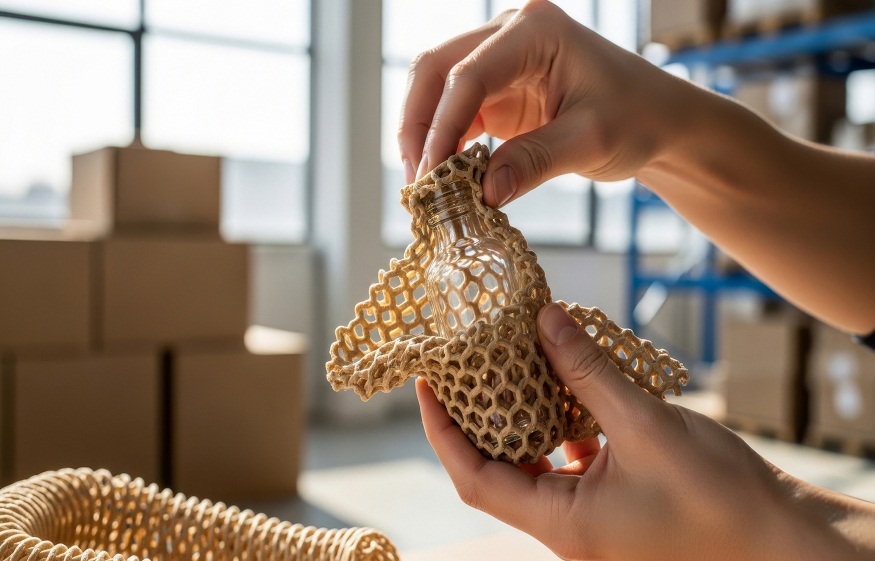
Potholes hate your packages. So do conveyor belt transfers, turbulence, and that spot where the highway joins the bridge. Small bumps seem harmless until they repeat ten thousand times. Then screws loosen. Solder joints crack. Glass develops stress fractures. Cushioning became smart while nobody watched. Modern foam remembers its shape after crushing, bouncing back fresh for the next impact. Air pillows create clouds around products. Some packages basically float inside their boxes, suspended by plastic film that stretches in all directions. The box takes the beating. The product inside barely notices.
Read More : What Modern Infrastructure Demands from Materials
Testing labs torture packages for a living. Drop towers. Shake tables. Compression machines that simulate a stack of boxes piled to the ceiling. They recreate entire shipping routes in an afternoon, finding weak spots before real products hit real roads.
Last Mile Challenges
That last stretch from depot to doorstep gets ugly. Delivery trucks start and stop fifty times. Packages slide around back there like hockey pucks. Then they sit outside in whatever weather shows up: blazing sun, freezing rain, neighborhood dogs. Weather-resistant barriers save the day. Special additives block UV rays that would fade colors and weaken materials. Tamper seals reveal if somebody got curious. Even the tape matters; cheap stuff fails when it’s cold, peels when it’s hot. Good tape hangs on through anything.
Conclusion
Every step matters. Warehouse prep sets the stage. Transit packaging handles the journey. Final-mile protection seals the deal. Skip one piece and the whole system collapses. But when everything clicks, packages survive chaos that would destroy unprotected products. Customers open perfect boxes, never knowing the war their stuff won along the way.





Be First to Comment