
The trading landscape in the UAE continues to evolve as technology, regulation, and trader expectations move forward together. For active traders, particularly those focused on short-term opportunities across multiple asset classes, the choice of broker plays a central role in execution quality and overall trading experience. In this context, understanding how a broker operates, rather than simply what it offers, becomes increasingly important.
ADSS has established itself as a recognised name within the UAE’s trading ecosystem. As an execution-only broker regulated by the Securities and Commodities Authority (SCA), it provides access to a range of CFD markets without offering investment advice. This review explores what traders can realistically expect from the ADSS platform and services in 2026, with a focus on practical usability, trading conditions, and regional relevance across the UAE and the wider GCC.
Platform Performance and Usability
One of the defining aspects of any trading platform is how it performs under real market conditions. For traders operating in fast-moving CFD markets, execution speed and stability are non-negotiable. ADSS offers a proprietary platform alongside widely recognised trading interfaces, giving traders flexibility depending on their preferred workflow and level of experience.
Read More : Heavy Duty Castors and Their Impact on Workplace Safety
The platform is designed with a clean layout that prioritises clarity over complexity. Charts are responsive, and order placement is straightforward, which is particularly valuable for traders who rely on quick decision-making. Features such as real-time pricing, customisable watchlists, and integrated technical indicators support a wide range of trading strategies without overwhelming the user.
Mobile accessibility is another key factor, especially in a region where trading on the go is common. ADSS provides a consistent experience across desktop and mobile devices, allowing traders to monitor positions, manage risk, and execute trades efficiently regardless of location. This level of continuity is increasingly expected by traders in both the UAE and neighbouring GCC markets.
Range of CFD Instruments
ADSS provides access to a broad selection of CFD instruments, allowing traders to engage with global markets through a single account. These include CFDs on forex, equities, commodities, crypto, and indices. For traders, this diversity is not just about choice, but about the ability to adapt strategies across different market conditions.
Forex remains a core offering, with major, minor, and selected exotic pairs available. This is particularly relevant for traders in the UAE, where currency markets are often a primary focus due to liquidity and trading hours that align well with regional schedules. Competitive spreads and efficient execution contribute to a practical trading environment.
Equities CFDs enable traders to speculate on the price movements of well-known global companies without owning the underlying assets. Similarly, commodities such as oil and gold hold strong regional relevance, especially within the GCC, where economic ties to energy markets remain significant. Indices and crypto CFDs further expand opportunities for diversification and short-term trading strategies. For a more detailed breakdown of trading conditions and instrument availability, this comprehensive ADSS review provides additional context that complements a trader’s evaluation process.
Account Structure and Trading Conditions
In 2026, ADSS maintains a simplified account structure designed to accommodate different levels of trading activity. The Pro and Elite account tiers both require a minimum deposit of $25,000, reflecting a focus on traders who are actively engaged in the markets and require enhanced trading conditions.
These account tiers typically offer tighter spreads and potentially improved execution conditions, which are critical factors for traders operating on shorter timeframes. While the broker does not provide advisory services, it focuses on delivering the infrastructure needed for efficient trade execution, including access to liquidity and stable pricing.
Transparency in costs is another important consideration. Traders need to clearly understand spreads, commissions, where applicable, and any additional fees that may affect overall performance. ADSS aims to provide straightforward pricing, allowing traders to plan and manage their strategies with greater confidence.
Regulation and Regional Positioning
Regulation is a central pillar of trust in the trading industry. ADSS is regulated by the UAE’s Securities and Commodities Authority, which sets standards for financial conduct and client protection within the country. For traders based in the UAE, this local regulatory oversight provides a level of familiarity and reassurance.
Beyond the UAE, ADSS also serves traders across the wider GCC, excluding Saudi Arabia. This regional reach is significant, as trading preferences and market behaviours often share similarities across Gulf countries. A broker that understands these nuances can offer a more tailored experience.
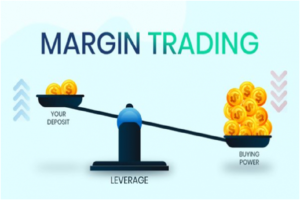
Traders should remain aware that regulation does not eliminate risk. CFD trading inherently involves leverage and market volatility. The role of the broker is to facilitate access and execution, while responsibility for trading decisions remains entirely with the trader.
Conclusion
ADSS presents itself as a regionally established, execution-focused broker that caters to active traders in the UAE and the wider GCC. Its offering is built around access to multiple CFD markets, supported by a stable trading platform and a clear regulatory framework under the SCA. For traders who prioritise execution quality and platform usability, these elements form a solid foundation.
Read More : Keeping Products Safe From Warehouse to Doorstep
The suitability of ADSS depends on individual trading needs and preferences. By understanding what the platform offers and how it operates within the regional context, traders can make more informed decisions as they navigate the evolving trading landscape in 2026.

Be First to Comment